clarity and control over where your money goes
Cash Flow Planning
Are Your Income and Spending Aligned With Your Goals?
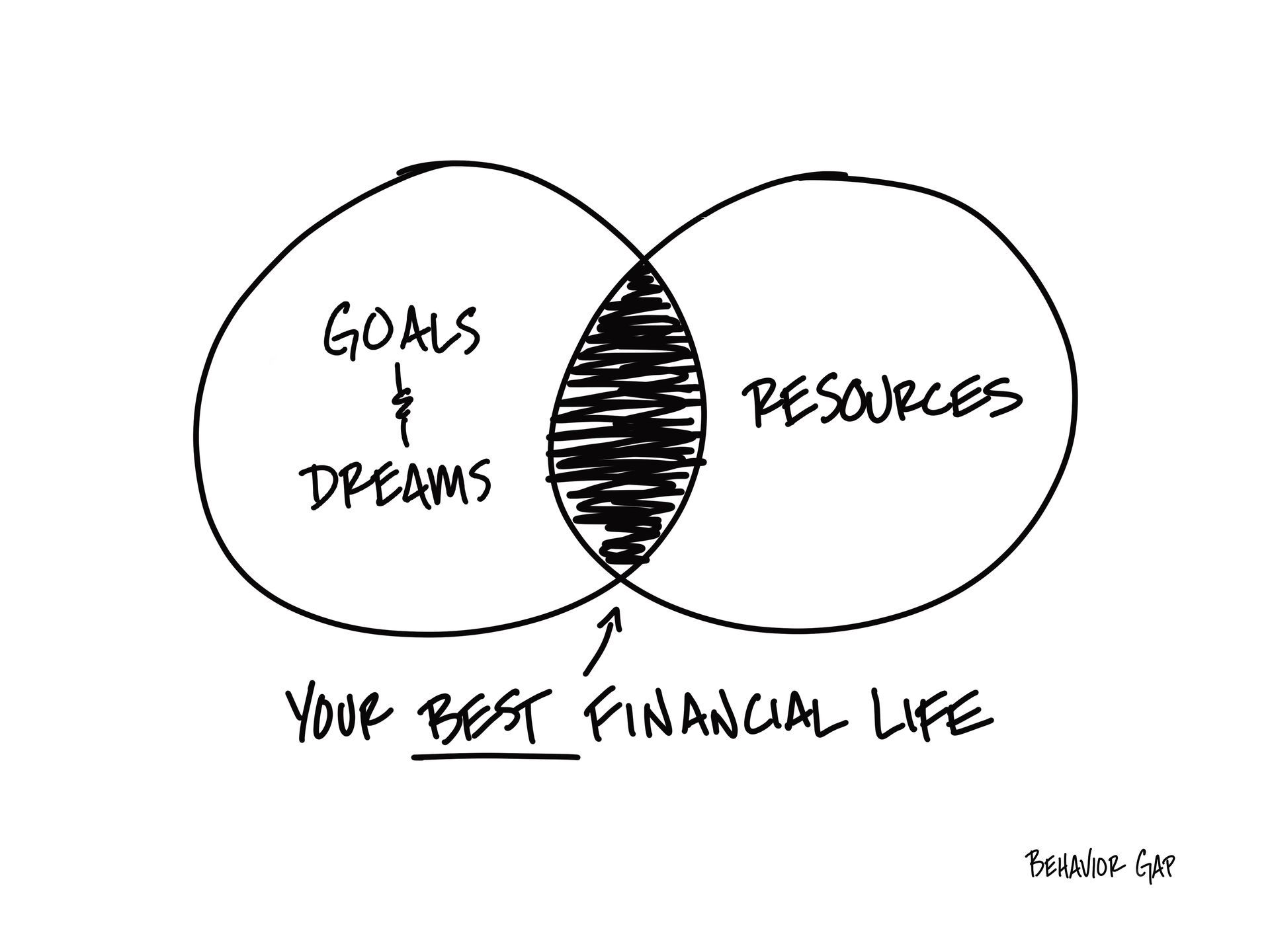
High-income professionals often earn well but still feel uncertain about where their money is going or how much they can confidently spend. Bonuses, equity compensation, and variable income can make planning difficult without a structured framework. Ascent Financial Group provides cash flow planning designed to align spending, saving, and investment decisions with your broader wealth strategy. For clients in Richmond and across Central Virginia, the goal is to bring clarity and intentional structure to everyday financial decisions.
Irregular or Variable Income
Bonuses, commissions, or equity compensation can make income unpredictable. Structured planning helps smooth income variability and guide saving decisions.
Balancing Lifestyle and Long-Term Goals
Many professionals want to enjoy their success while still building long-term financial security. Cash flow planning helps determine sustainable spending levels without sacrificing future priorities.
Major Life Transitions
Events such as career changes, relocation, or family growth often require adjustments to spending and saving patterns. Cash flow planning provides clarity during these transitions.
Preparing for Retirement Savings Targets
Understanding how much to save today influences future retirement outcomes. Cash flow planning helps connect current decisions with long-term projections.
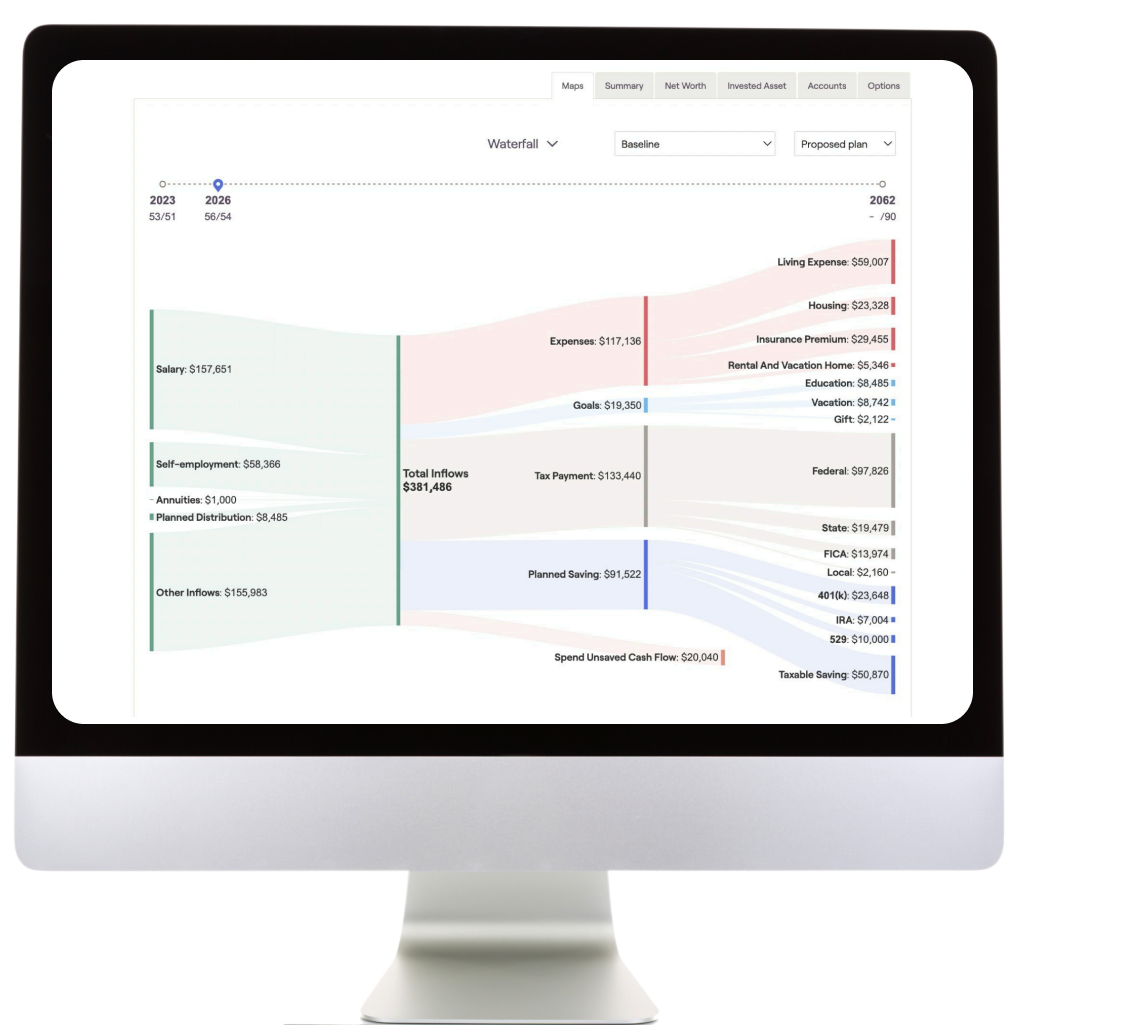
need an example?
Get a look at a sample Cash Flow Diagram!
A Key Building Block within a Broader Wealth Management Relationship
For executives and professionals with complex compensation structures, cash flow planning often requires additional coordination. Equity vesting schedules, bonuses, and deferred compensation plans can affect both taxes and saving opportunities. Integrating these elements into a structured financial plan helps ensure income is used intentionally rather than reactively.
What Cash Flow Planning Includes
Clients working with Ascent Financial Group typically receive structured guidance that includes:
Income and spending analysis
Long-term savings projections
Budget and lifestyle planning guidance
Integration with retirement and investment planning
Coordination with tax strategy
Ongoing adjustments as financial priorities evolve
Common Questions About Cash Flow Planning
Is cash flow planning the same as budgeting?
Not exactly. Budgeting is usually about tracking income and expenses over a short period—often month to month—to manage day-to-day spending. Cash flow planning takes a broader, forward-looking view, focusing on how money moves in and out of your finances over time to support your long-term goals.
With cash flow planning, you consider things like saving for retirement, paying down debt, funding college, or managing taxes. It’s about making sure your money is working efficiently for both today and tomorrow, rather than just keeping expenses in check.
Can a financial advisor help manage variable income?
Absolutely. Variable income—like bonuses, commissions, or freelance earnings—can make planning more challenging because your cash flow isn’t consistent. A financial advisor can help smooth out the ups and downs by creating a strategy for budgeting, saving, and investing based on your overall income picture.
This includes setting aside reserves for slower periods, optimizing tax strategies, and aligning irregular income with long-term goals like retirement or education funding. With a thoughtful plan, even unpredictable income can be managed efficiently to keep you on track financially.
How does cash flow planning connect to retirement planning?
Cash flow planning and retirement planning go hand in hand. By understanding how money flows in and out of your finances today, you can make informed decisions about how much to save, invest, and allocate toward retirement.
Effective cash flow planning ensures you’re consistently funding your retirement goals while managing everyday expenses, debt, and taxes. It also helps you anticipate changes in income or spending over time, so your retirement plan is realistic, sustainable, and aligned with the lifestyle you want in the future.